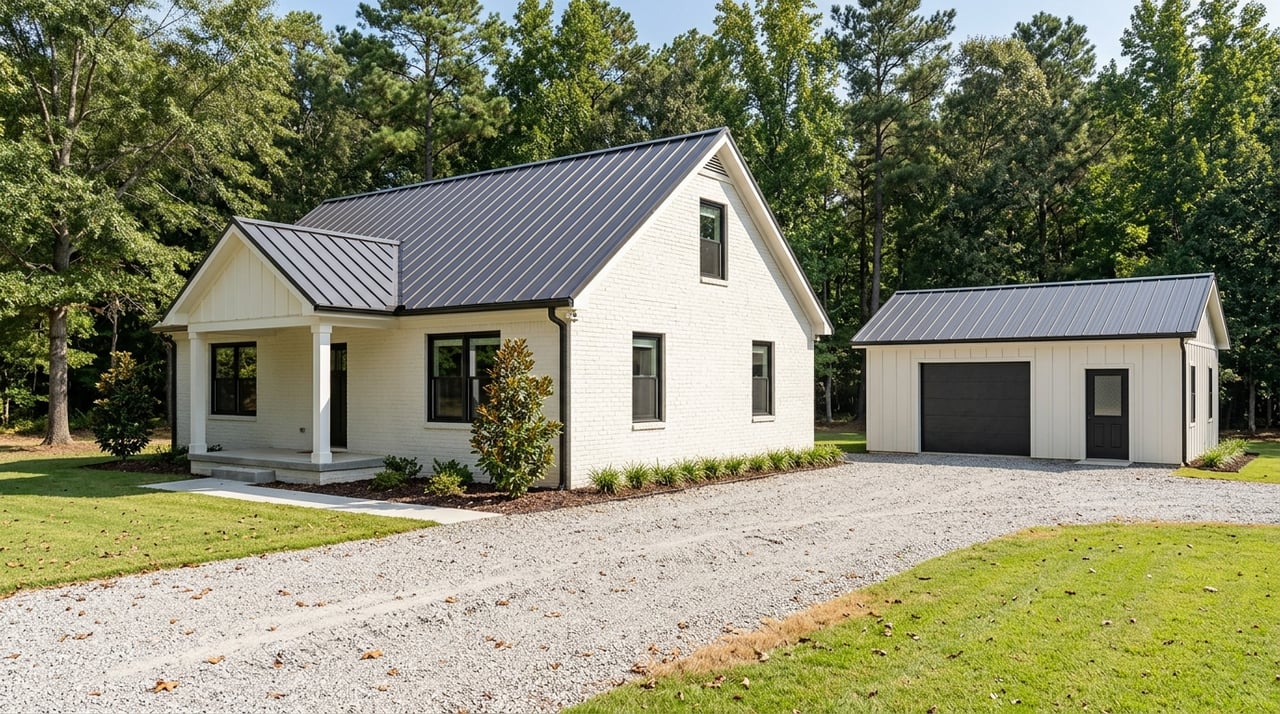
Dreaming about more space in Fosters? Buying acreage can open the door to a homesite, workshop, barn, or long-term investment, but land works very differently than a typical home purchase. Before you fall in love with a tree line or a quiet road, you need to know whether the property is accessible, serviceable, and usable for your plans. This guide walks you through the practical things to check so you can move forward with more confidence. Let’s dive in.
Why acreage needs extra due diligence
When you buy acreage in Fosters, you are not just buying scenery or square footage. You are also buying the land’s limits, approvals, and infrastructure, whether those are obvious at first glance or not.
In Tuscaloosa County, online parcel outlines should not be treated as proof of exact boundaries for a purchase. The county tax assessor’s mapping department states that tax maps are for tax purposes only, and parcel records are updated using recorded deeds, plats, wills, assessments, and surveys. That is why a current survey and a review of recorded documents matter early in the process.
If the acreage was recently divided or may be split in the future, county subdivision rules can also affect your timeline. Tuscaloosa County regulations require proper drainage, sewerage disposal, and streets for subdivision lots, and final plats must be recorded before lots are sold, transferred, offered for sale, or leased.
Confirm legal access first
One of the most important questions with acreage is simple: can you legally and practically get to it? A parcel may look accessible on a map, but the real answer depends on recorded access, road status, and any easements tied to the property.
Tuscaloosa County distinguishes between public roads and private roads. A private road is not maintained by the city, county, or state, which means upkeep may fall on the property owner or owners using it.
That detail can affect your budget and your long-term plans. A long shared drive, a private lane, or an access easement may work just fine, but you need to understand who maintains it and what rights come with it.
What to check about roads and easements
If the property is reached by a private-access easement, review it carefully before you make an offer. A 2021 Tuscaloosa County Commission record says private-access easements are allowed only for parcels of at least 3 acres, no more than three lots or parcels may use one common access easement, easements must be at least 30 feet wide, and the entrance must be marked as private.
The same county record states that the county will not improve or maintain the easement until it is approved. For you, that means access should never be treated as a small detail, especially if you plan to build a home, add a shop, or divide the property later.
Verify water service tract by tract
Acreage buyers often assume water service will be easy if nearby homes already exist. In reality, availability can vary from one tract to the next.
The Fosters-Ralph Water Authority states that it serves the Fosters and Ralph communities and has grown to more than 300 miles of water line and over 1,800 customers. Even so, you should confirm whether a meter is available at the specific property and whether tap fees or line extensions may be needed.
That step is especially important if the homesite sits well off the road or if the tract is newly created. Water access can influence both your upfront cost and your building timeline.
Understand septic before you buy
For many acreage purchases, septic feasibility is one of the biggest make-or-break issues. If public sewer is not available, the land still needs to support an onsite sewage disposal system that meets local requirements.
The Alabama Department of Public Health says buyers should check with the sewer authority or local health department before purchasing land. If public sewer is not available, the soil may need to be tested by a qualified professional such as a land surveyor, engineer, geologist, or soil classifier.
ADPH also states that a permit to install an onsite sewage disposal system must be obtained before construction begins. In other words, a beautiful tract is not automatically a buildable tract.
Why soil and layout matter
ADPH warns that some lots are not suitable for conventional septic systems, especially if the soil is too shallow, too wet, drains too slowly, or the lot is too small. In some cases, an engineered system may be needed.
That matters because your usable homesite is more than just where the house fits. You may also need room for the septic field, driveway, and any planned outbuildings.
The Tuscaloosa County Health Department is part of the normal due diligence process here. Its environmental services page lists onsite sewage applications and permits, and ADPH says property owners or their agents can contact the local health department to request septic tank information.
If there is a well, test the water
Some acreage in the Fosters area may rely on a private well instead of public water. If that is the case, water quality should be part of your review.
ADPH says the property owner is responsible for the safety of private well water and that routine testing is highly recommended. County health departments can collect a sample for bacteriological testing, and there may be a fee.
If the property already has a septic system, maintenance history matters too. ADPH recommends routine maintenance and says septic tanks should typically be pumped every three to five years, and septic installers and pumpers must be licensed by the Alabama Onsite Wastewater Board.
Check flood status before planning a build
Acreage can offer flexibility, but only if the land has enough usable area outside flood-sensitive sections. Before you plan a homesite, barn, or workshop, review whether any part of the tract falls within a flood hazard area.
Tuscaloosa County’s flood damage prevention ordinance states that flood hazard areas are subject to periodic inundation. The ordinance is intended to reduce flood losses by restricting vulnerable uses and controlling filling, grading, dredging, and other development.
That means floodplain status is not just an insurance question. It can directly affect where and how you build, especially if site work or grading is part of your plan.
Think ahead if you may split the land
Some buyers want acreage for privacy now and flexibility later. If you think you may divide the property into additional lots in the future, it is smart to check that process before you buy.
Tuscaloosa County subdivision regulations and the county engineer review process show that major subdivisions may require plan review, a permit to develop, and approval before construction can proceed. The county’s stormwater reporting also notes that a significant portion of the county lies within the planning jurisdiction of the City of Tuscaloosa or the City of Northport, so jurisdiction should be confirmed for the specific parcel rather than assumed.
This is one reason acreage purchases benefit from careful planning upfront. What seems simple today can become more complex if your future goals include development or a family lot split.
A practical acreage checklist for Fosters
Before you move forward on land in Fosters, focus on the questions that shape whether the tract truly fits your goals.
- Confirm legal access to the property
- Verify whether the road is public or private
- Review any recorded easements
- Confirm water availability at the site
- Check whether sewer is available or septic will be needed
- Review soil and septic feasibility
- Check flood hazard status
- Review the current survey, plat, and recorded documents
- Ask how your intended homesite, driveway, and outbuildings fit on the usable land
- Verify whether future lot splits may trigger subdivision review
Why local guidance matters
Buying acreage is part real estate decision and part site-planning decision. You are not only choosing a location, but also evaluating whether the land supports the lifestyle and improvements you have in mind.
That is where practical, local guidance can make a real difference. August Real Estate brings Fosters-area knowledge together with hands-on construction perspective, which can help you ask better questions before you commit to a property.
If you are considering acreage in Fosters and want help evaluating access, build potential, or the next steps, schedule a free consultation with the August Team.
FAQs
What should you verify before buying acreage in Fosters?
- Start with legal access, water availability, septic feasibility, flood status, and a current survey or recorded plat.
Why is a survey important when buying land in Tuscaloosa County?
- Tuscaloosa County states that tax maps are for tax purposes only, so you should rely on recorded documents and a current survey for boundary and conveyance questions.
Can a private road affect your acreage purchase in Fosters?
- Yes. Tuscaloosa County defines a private road as one not maintained by the city, county, or state, which means maintenance responsibility may fall on the owners.
How do you check if acreage in Fosters can support septic?
- If public sewer is not available, contact the local health department and determine whether the soil needs to be evaluated by a qualified professional before you build.
Does floodplain status matter when buying land in Tuscaloosa County?
- Yes. Flood hazard areas can affect where development is allowed and whether filling, grading, or other site work may be restricted.
Can you split acreage into more lots later in Tuscaloosa County?
- Possibly, but subdivision rules and county review requirements may apply, so it is best to verify the process for the specific parcel before you buy.