You want the freedom to design your home and the privacy that comes with a larger lot. Fosters offers both, but not every parcel in 35463 is ready for a new build. The right lot can save you months and thousands in site work, while the wrong one can stall permits or require costly engineering. This guide shows you how to evaluate a lot the smart way in Tuscaloosa County, what to verify before you write an offer, and who to call to keep your project on track. Let’s dive in.
Why Fosters lots appeal
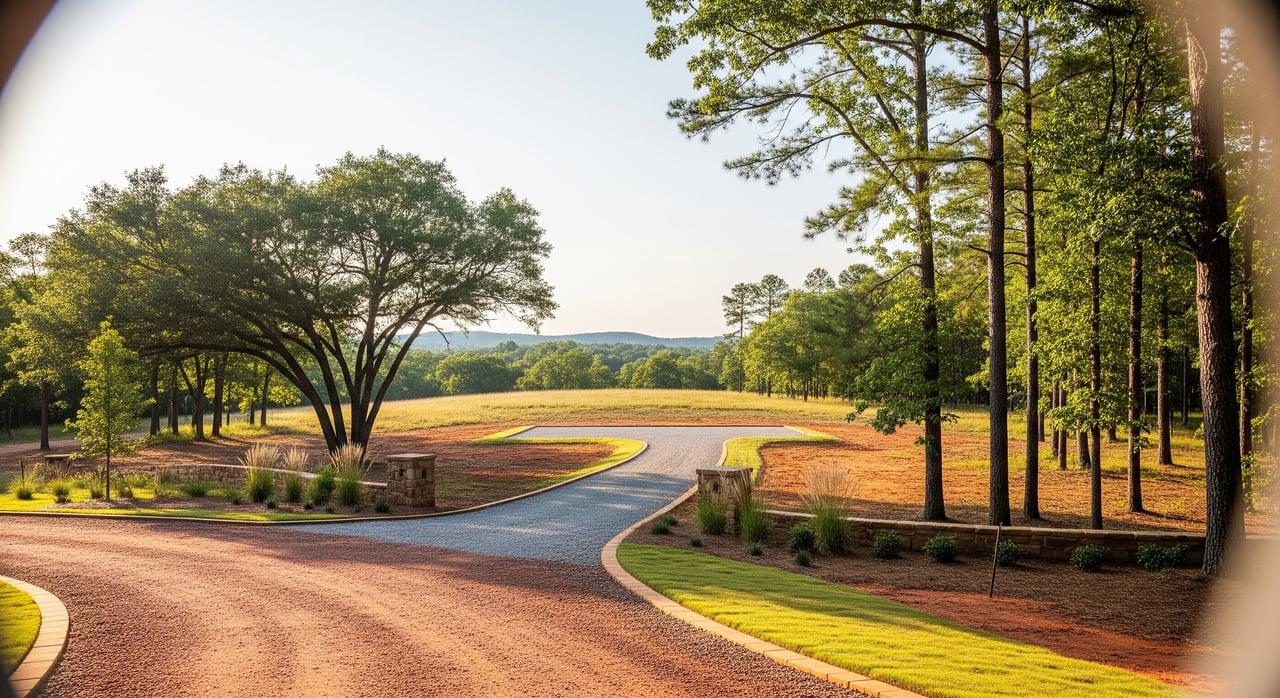
Fosters gives you a rural feel with access to Tuscaloosa area jobs, services and entertainment. Many buyers value tree cover, privacy, and space for outbuildings or a larger yard. Your future resale can benefit from an easy commute, a usable build site, and thoughtful orientation for natural light. Attendance zones, nearby commercial activity, and future road projects can also influence long-term desirability, so verify local context for each parcel.
Three must-checks before you offer
Utilities availability
Confirm whether public water or sewer serves the exact lot. If there is no public sewer, your home will likely rely on a septic system, and water may require a well if public service is not available. Contact utility providers early and request written confirmation of availability, capacity and estimated connection costs. Ask about utility easements on the lot that could limit where you place the house or driveway.
Septic feasibility and soils
A perc test and septic feasibility review through the Tuscaloosa County Health Department is essential when no public sewer is available. Some areas require engineered septic systems if soils are not suitable, which affects cost and timelines. In sloped or clay-heavy sites, a geotechnical report can guide foundation type and reduce surprises. These steps define your buildable envelope and help your builder plan grading and drainage.
Legal access and driveway permits
Make sure the lot has recorded, deeded access to a public road. If access is via a private easement, confirm who maintains it and whether there are width or use limits. Driveway connections to county or state roads may require permits, plus sightline and setback compliance. Review the recorded plat and deed, and have your title company flag any access or easement issues early.
Zoning and permits in Tuscaloosa County
Before you design, verify the zoning classification, setbacks, height limits, lot coverage, and accessory building rules with Tuscaloosa County Planning and Zoning and the Building Inspection office. Some subdivisions have conditional approvals or additional county standards that affect timing. If the lot is in a mapped flood zone, county floodplain development rules may require elevated foundations or specific drainage plans. Coordinate septic and well requirements with the Tuscaloosa County Health Department.
Topography, drainage and flood risk
Order a topographic survey to understand slopes, high and low points, and driveway routing. The site’s contours influence grading, retaining walls, and the size of your flat yard. Check FEMA flood maps and confirm with the county floodplain administrator to see if any portion of the lot lies in a regulated flood area. Review general soil information through the USDA NRCS soil survey, then rely on site-specific testing to make final decisions.
Easements, covenants and HOAs
Review all recorded easements that could affect building location, landscaping or access. If the parcel is within a subdivision, obtain covenants and any architectural review guidelines. These can set minimum home sizes, exterior materials, roof pitches, fencing rules, and landscaping standards. Confirm setbacks and coverage with the county even if the covenants list their own standards, since both can apply.
Environmental considerations
Lots near creeks or low-lying areas may contain wetlands or streams that are regulated. If you see wetland indicators, consider a professional delineation and consult the U.S. Army Corps of Engineers and the Alabama Department of Environmental Management before disturbing soil or altering drainage. Be mindful of wellhead protection areas, required buffers along waterways, and the potential for sinkhole-prone terrain. Early checks protect your timeline and help you avoid costly redesigns.
Costs and financing for lot plus build
Build a complete budget that accounts for the lot and the site work needed to make it build-ready. Key categories to plan for include:
- Lot purchase price and closing costs.
- Site clearing, grading, driveway, and erosion control.
- Utility connections or extensions for water, sewer or gas, and telecom service.
- Septic and well installation if needed, including engineered systems where soils require it.
- Foundation type and any geotechnical work related to soils and slope.
- Permits, inspections and potential impact fees.
- Insurance, including flood insurance if any portion of the site is in a flood zone.
- Property taxes and any special assessments.
For financing, some buyers use a construction-to-permanent loan that folds the lot and build into one package. Others purchase the lot with a land loan, then move to a construction loan. Lenders vary on allowable loan-to-value and when funds are released, so confirm requirements for inspections, draw schedules and certificates of occupancy. For tax questions and parcel assessments, consult the Tuscaloosa County Tax Assessor or Revenue Commission.
Due-diligence checklist for 35463
Pre-offer quick screen
- Ask the seller or listing agent for the parcel tax ID, recorded survey or plat, and any covenants or HOA rules.
- Request utility contacts, any prior perc test results, septic or well permits, and known easements.
- Watch for red flags like no recorded access, driveways that would cross other properties, mapped wetlands or floodway across the build area, or covenants that conflict with your design.
Under contract: inspection period
- Order a current boundary survey and title commitment that lists all easements and restrictions.
- Schedule a perc test and septic feasibility review, plus a conceptual septic layout if needed.
- Obtain a topographic survey and stake the tentative building envelope and setbacks.
- Commission a geotechnical report where soils or slopes are uncertain, or the design is complex.
- If wetland indicators are present, get a wetland delineation.
- Request utility availability letters for water, sewer, electric, gas and internet service, including estimated connection costs and timelines.
- Confirm permissible build area and accessory building rules with county planning.
- Review HOA documents and financials, if applicable.
- Check with your lender about any site conditions that could affect loan approval.
- Visit the lot at different times of day and during a rain when possible to observe drainage, noise and sun exposure.
Before permits and closing
- Finalize the septic permit and any well applications with the Health Department.
- Confirm erosion control and stormwater measures if required by the county.
- Secure building permits and review the inspection schedule with your builder.
- Verify your contractor’s bonding and insurance, and include contract language for unforeseen soil or utility issues.
Build your local team
A strong team protects your budget and timeline. Consider engaging:
- A local real estate agent experienced with land and new construction in Tuscaloosa County.
- A licensed land surveyor for boundary and topographic work.
- A septic system designer and installer who works frequently with the county Health Department.
- A geotechnical engineer for soil borings and foundation recommendations where indicated.
- A civil engineer for grading, drainage and driveway design if slopes or runoff are a concern.
- A local builder familiar with county permits and rural site work.
- A real estate attorney or title company to review deeds, easements and closing documents.
- An arborist if you plan to preserve large trees during construction.
- A lender experienced with lot and construction lending in this region.
Next steps in Fosters
Start by confirming zoning, setbacks and subdivision status with Tuscaloosa County Planning and Zoning. Coordinate septic or well requirements with the Tuscaloosa County Health Department, then check FEMA flood maps and walk the site with your builder to confirm the buildable area. With the right due diligence and a local guide, you can choose a lot that supports your design, budget and timeline.
Ready to evaluate a specific parcel in 35463? The August Team combines hands-on construction insight with local market expertise to help you select the right lot, plan testing, and coordinate the path to permits. Schedule a Free Consultation and move forward with confidence.
FAQs
How do I know if a Fosters lot is buildable for a new home?
- Confirm zoning and setbacks with the county, verify legal access, secure a perc test for septic feasibility, and review utilities, topography and flood risk before you offer.
What is a perc test in Tuscaloosa County and why does it matter?
- A perc test evaluates soil absorption for septic; the Health Department uses it to determine if a standard or engineered system is needed, which affects design, cost and timing.
Who confirms water and sewer availability for a 35463 parcel?
- Contact local water and sewer providers for written availability and cost estimates for the exact parcel, and coordinate septic requirements with the Health Department if no sewer exists.
What happens if part of the lot is in a FEMA flood zone?
- You may need an elevated foundation, specific drainage measures and flood insurance, and all work must meet county floodplain development requirements.
Do I need a geotechnical report or just a perc test for my build?
- A perc test addresses septic feasibility, while a geotechnical report informs foundation design where soils or slopes are uncertain; many rural sites benefit from both.
How do easements and HOAs affect where I can build on the lot?
- Easements can limit structure placement or access, and HOA covenants may set design standards; review recorded documents and confirm setbacks with the county.
What financing options exist for buying a lot and building in 35463?
- Buyers often use construction-to-permanent loans or pair a lot loan with a construction loan; confirm lender draw schedules, inspections and documentation requirements early.