Trying to decide between a brand-new build and a lived-in home in Trussville? You are not alone. Both paths can work well, but the right choice depends on your budget, timeline, and comfort with maintenance and customization. In this guide you will learn the key trade-offs for Trussville buyers, from costs and financing to timelines, inspections, and HOAs. Let’s dive in.
Trussville market factors
Local conditions shape your choice. In Trussville, land availability, active subdivisions, and builder competition can affect pricing and timelines. Proximity to I-59 and I-459, retail, and employment corridors also plays a big role in daily convenience and long-term value.
School attendance boundaries are another consideration for many buyers. Trussville City Schools are often cited as a driver of housing demand. Always verify current boundaries and enrollment policies directly with the district before you make a decision.
HOAs are common in newer subdivisions. Rules, fees, and any special assessments vary, so you will want to review documents closely. For established neighborhoods, policies and fee structures can differ widely or be less common.
Price and total cost
New construction typically starts with a higher base price per square foot. You often get modern layouts and new systems, which can keep short-term maintenance low. Resale homes can be more affordable upfront, though updates or repairs may be needed soon after closing.
Budget for the full picture, not just the sticker price. With new builds, factor in upgrades, lot premiums, landscaping, blinds, appliances that are not included, and closing costs. With resale, plan for inspections, repairs, and energy-related upgrades that bring an older home up to your comfort level.
Financing differences
Resale purchases usually rely on conventional, FHA, VA, or USDA loans. For new construction, your options depend on the stage of the home. If the home is complete, you may use a standard mortgage. If you are building from the ground up, consider a construction-to-permanent loan that funds draws during the build and converts to a mortgage at completion.
Appraisals can be tricky for brand-new neighborhoods with few comparable sales. Lenders also look at builder reputation and warranties. Rate locks and timing matter because construction timelines expose you to interest-rate changes. Discuss lock options and timelines early with your lender.
Timeline and process
Resale timelines are typically faster. From contract to closing, most buyers plan for about 30 to 60 days depending on financing and contingencies. Inspections, appraisal, and loan approval are the key milestones.
New construction timelines vary by the build stage. Spec homes can close quickly if they are finished or near completion. Builds-to-order commonly run 4 to 9 months, and delays from weather, permitting, or supply chains are possible. Set expectations up front and build in a buffer if you have a firm move date.
Inspections and risk
Resale buyers should plan for a full home inspection and may renegotiate repairs or credits. Older systems can hide issues like deferred maintenance or past water intrusion. A thorough inspection helps you budget and prioritize.
New construction also benefits from independent inspections. Consider a pre-drywall inspection, a final inspection before closing, and a detailed punch list to document fit-and-finish items. Many builders offer limited warranties, often with coverage for workmanship, mechanical systems, and structural components. Review the warranty scope and claim process in writing.
Design and efficiency
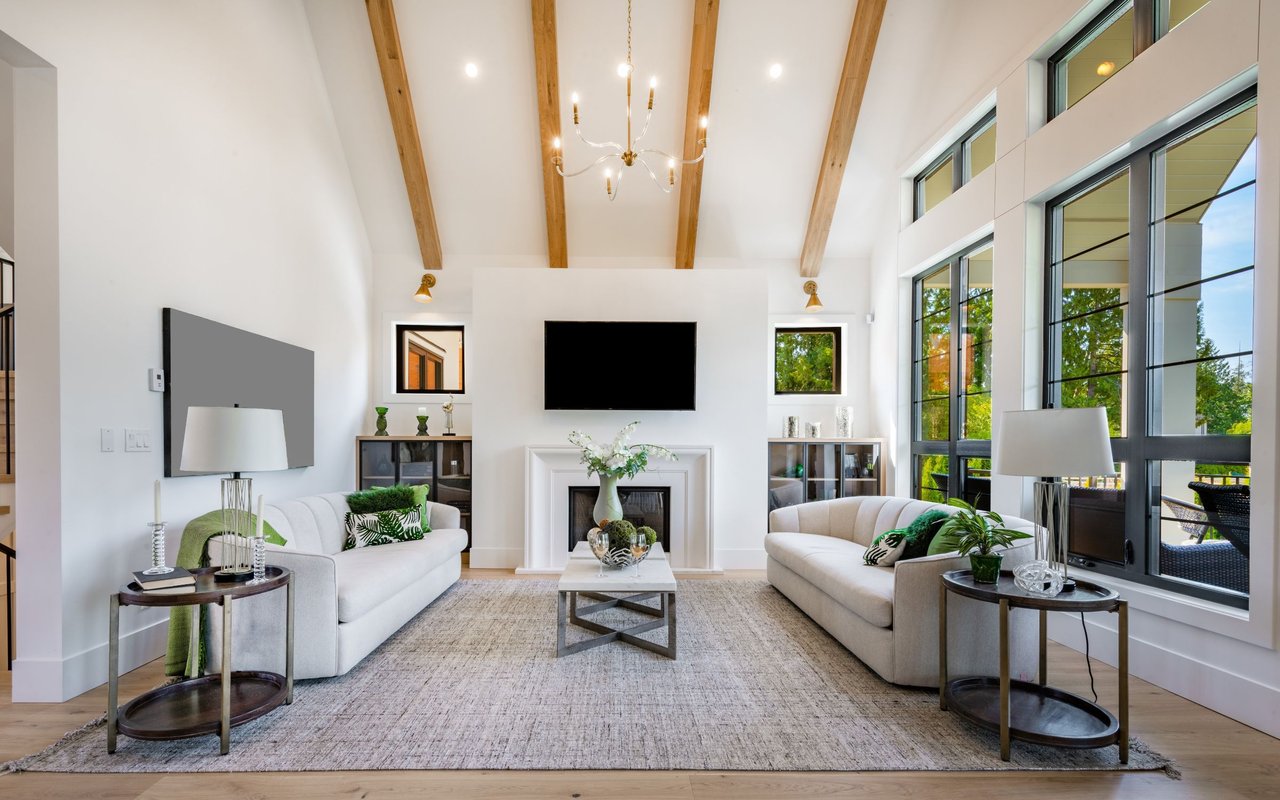
New homes usually feature open layouts, larger closets, modern kitchens, and energy-efficient windows and HVAC. Some builds include smart-home wiring and newer electrical standards. You can select finishes in many cases, though customization can add time and cost.
Resale homes deliver character, mature landscaping, and established neighborhood patterns. If you plan to remodel, price out your wish list early. A well-planned refresh of kitchens, baths, and flooring can bring an older home up to modern expectations and can compete strongly with new construction value.
Location and lot trade-offs
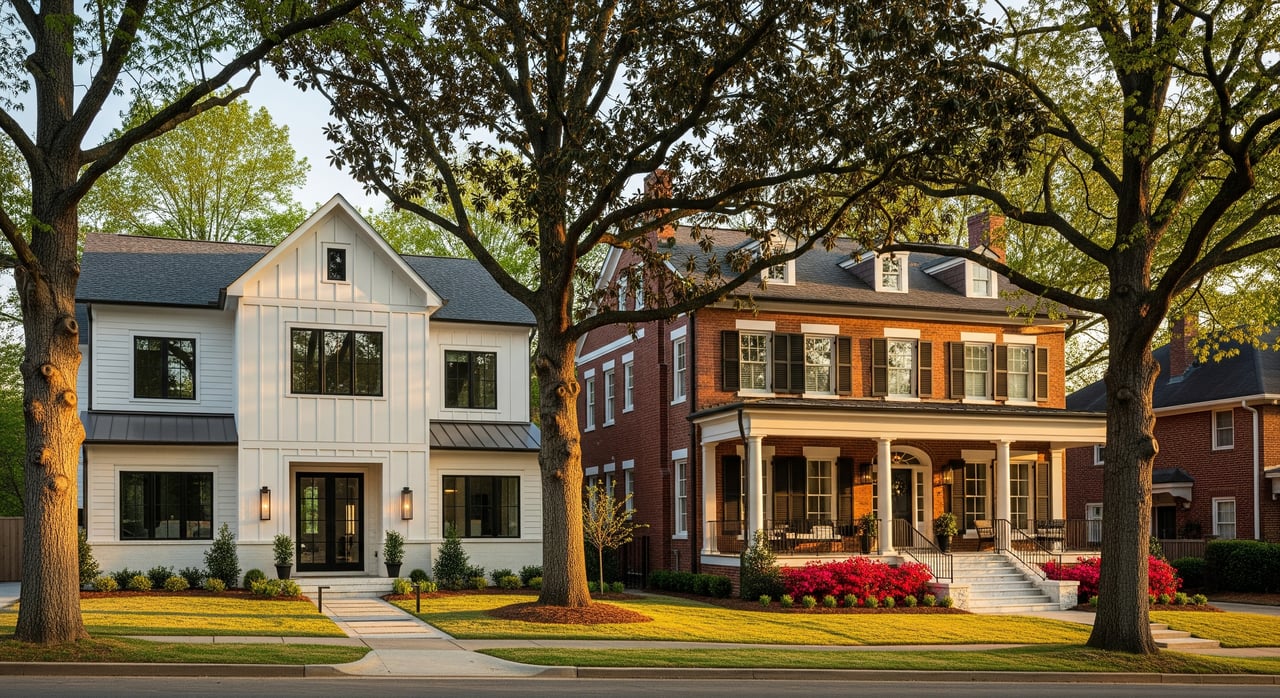
Resale neighborhoods often offer larger trees, established streetscapes, and known community character. Lot sizes, topography, and privacy can vary widely. If you want a specific orientation or yard profile, resale may give you more variety to choose from.
New subdivisions tend to be on the edges of the suburb or in newly opened phases. You get new infrastructure and standardized amenities, though landscaping may take time to mature. Lot selection matters. Corner lots, cul-de-sacs, and backyard orientation can influence price and future resale appeal.
Resale value and appreciation
Future value depends on location, construction quality, lot size, and overall market trends in the Birmingham metro. Builder reputation and neighborhood amenities also affect long-term performance. Updated resale homes can appreciate well, especially when they match modern buyer expectations.
New homes may see slower appreciation right after completion if several similar homes hit the market at the same time. Over the long term, values typically track neighborhood desirability and build quality. Your agent can help you weigh supply in nearby phases and future development that could impact your timeline.
Taxes, insurance, and HOAs
Property taxes and assessments are set by local authorities. New builds may be reassessed after completion, so plan for potential changes in tax bills after the first year. Insurance costs can be lower on new construction because of modern systems and materials, though actual premiums depend on coverage and replacement costs.
HOA rules and fees require close review. In new communities, covenants may regulate exterior changes, fencing, parking, and short-term rentals. In established neighborhoods, HOAs can be less common or have different priorities. Ask for full documents and recent meeting minutes when available.
Who should buy new construction?
- You want modern layouts, energy efficiency, and minimal near-term maintenance.
- You can wait several months for completion or you find a near-finished spec home.
- You value the ability to choose finishes and are comfortable managing upgrade budgets.
- You prefer a predictable home warranty for the early years.
Who should buy resale?
- You want to move within 30 to 60 days and value quicker timelines.
- You prefer established neighborhoods with mature landscaping and varied lot choices.
- You want more room to negotiate on price or repairs.
- You are open to updating to get the features you want.
Buyer checklist
Use this quick list to compare your options side by side.
Costs
- New: Base price plus upgrades, lot premiums, and landscaping. Lower near-term maintenance.
- Resale: Often lower purchase price. Budget for repairs and updates.
Financing
- New: Construction-to-permanent or builder-financed options may apply. Rate lock timing matters.
- Resale: Conventional, FHA, VA, or USDA are common with typical appraisals.
Timeline
- New: Weeks for spec homes, 4 to 9 months for builds-to-order.
- Resale: About 30 to 60 days from contract to close.
Inspections & Risk
- New: Independent pre-drywall and pre-closing inspections plus a punch list. Builder warranty terms vary.
- Resale: Full inspection, with potential for repair credits or renegotiation.
Lifestyle & Features
- New: Modern layouts, energy efficiency, smart features.
- Resale: Established setting, unique character, mature trees.
HOA & Rules
- New: HOAs are common with defined covenants and fees.
- Resale: HOAs vary by neighborhood; rules and fees differ.
How August Team helps
You deserve a clear path from browsing to closing. With construction know-how and local market insight, our team helps you weigh trade-offs, review builder documents, and price out updates so you can choose with confidence. We can walk lots with you, assess build timelines, and estimate update costs on promising resale homes.
Ready to compare specific neighborhoods, lots, and floor plans in Trussville? Connect with the August Team to map your best move and Schedule a Free Consultation.
FAQs
What is the main cost difference in Trussville new construction vs resale?
- New construction often has a higher base price per square foot with lower near-term maintenance, while resale can cost less upfront but may need immediate updates or repairs.
How long does a new build take in Trussville?
- Spec homes can be ready in weeks if finished, while builds-to-order commonly take 4 to 9 months, with possible delays from weather, supply chains, or permitting.
Do I still need inspections for a brand-new Trussville home?
- Yes. Independent inspections at key phases, including pre-drywall and pre-closing, help catch issues early and inform your punch list even when builder inspections occur.
Can I use FHA or VA loans on Trussville new construction?
- Often yes, but specific requirements apply for new construction and appraisals. Discuss details and timelines with a lender experienced in these programs.
How do HOAs compare in new Trussville subdivisions vs older areas?
- Newer subdivisions commonly have HOAs with defined covenants and fees. Established neighborhoods vary, so always review the current rules, fees, and any special assessments.
What affects resale value for homes in Trussville?
- Location, build quality, lot size, neighborhood amenities, and market trends are key. Builder reputation and the balance of new supply nearby can influence near-term appreciation.