If you are selling in Fosters, acreage and workshop spaces are your secret advantage. Buyers here care about how the land lives day to day and whether the shop, barn, or garage actually works for their lifestyle. With a focused plan, you can show usable acreage, clean utility spaces, and smart storage that boosts confidence and offers.
Why staging acreage and workshops matters
Staging is not just for living rooms. In Fosters and rural Tuscaloosa County, the land, driveway, fences, and outbuildings often drive first impressions and value. Many buyers weigh commute time to Tuscaloosa, the University, and major roads like U.S. 11 and 43, then look for acreage that feels easy to use and maintain based on Fosters’ location context. When the property shows clean access, defined zones, and a dialed-in shop, buyers stay longer, ask better questions, and write clearer offers.
National staging research shows that good presentation can shorten days on market and improve perceived value, which supports stronger pricing conversations and smoother negotiations per NAR’s staging summaries. In our climate, timing and maintenance also matter. Fosters sits in a humid subtropical zone with a long growing season, which affects mowing, trimming, and photo planning see USDA planting zones for the area.
The good news: most high‑impact steps are simple and low cost.
Prepare the land for first impressions
Your goal is to make the acreage feel usable, safe, and clearly organized the moment buyers pull in.
Define entry and drive approach
- Clear, widen, and edge the main driveway so it reads clean in photos. Fresh gravel at the entrance and trimmed shoulders send a strong maintenance signal.
- Make the gate easy to open. Oil hinges and fix latches. Add a visible property name or address marker at the entrance so buyers know they are in the right place.
- Create obvious parking for showings. Use cones or a simple “Guest Parking” sign near the best turnaround.
- If you have multiple access points, mark the primary route and close off others for showings to avoid confusion.
These upgrades photograph well and help buyers understand circulation on site a common best practice for land marketing.
Highlight usable zones on the acreage
- Identify and label key areas: lawn, pasture, garden, play space, picnic spot, or “future home site.” Temporary stakes and small signs guide the eye and help buyers picture everyday life.
- If you have a pond or creek, mow a clean edge and add a simple seating area to invite buyers to walk down and linger.
- For livestock or equestrian appeal, present paddocks, gates, and water access in tidy, working order. Buyers want to see where animals move and how fencing connects.
- Use vignettes sparingly. A picnic table under a shade tree or a marked garden bed is enough to spark imagination without feeling staged or fake a tactic noted in land‑staging guides.
Tidy, trim, and clear selectively
- Remove debris, junked equipment, and scrap piles. If it doesn’t stay with the property, store it off site.
- Prune low branches along drives and paths to lift sightlines. Keep the walkable experience open and safe.
- Trim around fence lines, gates, mailboxes, and well or septic markers so they are visible and neat.
- Time photos when the land looks its best. Spring and early summer usually offer the greenest backdrops. Leaf‑off shots can be helpful if you want to reveal long views or topography.
If your parcel includes mapped flood zones, be ready with clarity. Buyers will ask. Keep a printed FEMA map and any elevation certificate on hand for showings check your address at FEMA’s Map Service Center.
Stage the shop, barn, or garage
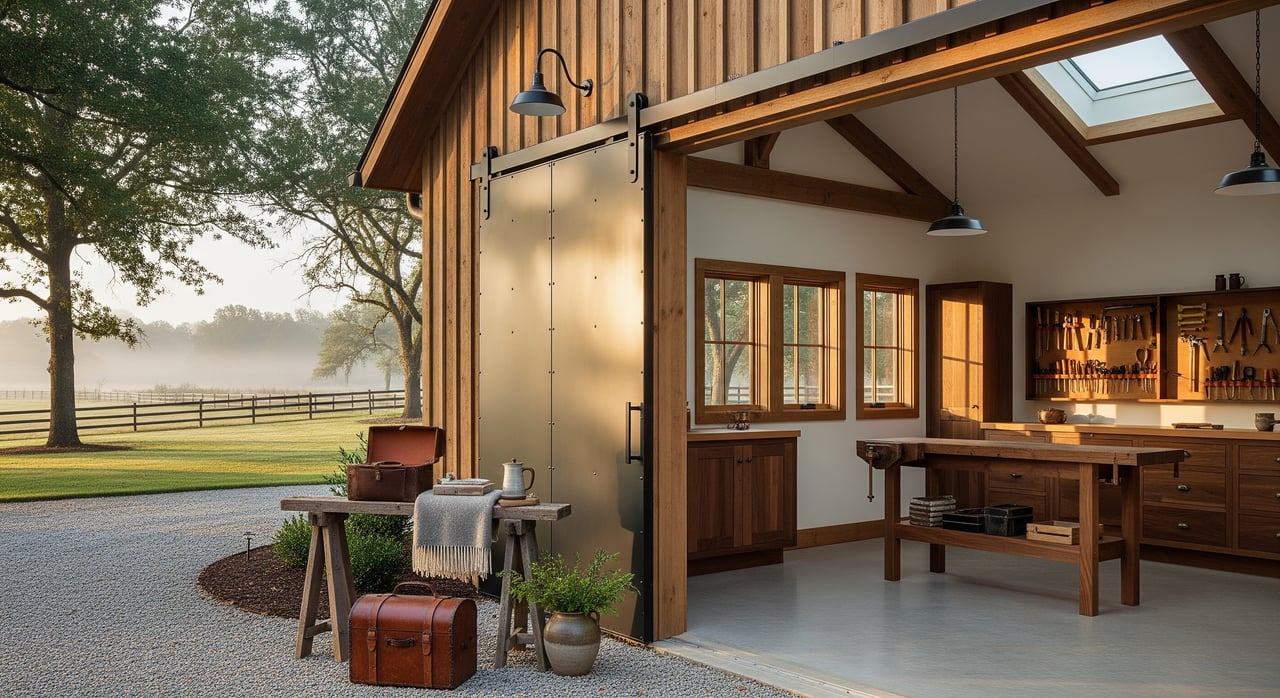
Utility spaces speak to a buyer’s daily life. Clean, bright, and organized shops feel bigger, safer, and more valuable.
Declutter and zone the space
- Remove hazardous clutter: excess gas cans, chemicals, unlabeled containers, and scrap. Take advantage of community hazardous‑waste days for safe disposal.
- Create zones buyers can understand at a glance: parking, tools, bench/work area, and bulk storage.
- Use shelving, pegboards, and labeled bins to show capacity and order simple garage‑staging tactics work well here.
Showcase surfaces and systems
- Clear every horizontal surface. Empty workbenches and open floor space make the shop feel larger.
- Sweep or power‑wash floors. Treat oil stains with absorbent and degreaser, then rinse. If appropriate, consider a light gray floor paint or an epoxy kit for a crisp, durable look basic cleaning steps can go a long way.
- Photograph doors fully open to show clearance and height. If you can park a truck, tractor, or boat for scale during photos, do it.
Secure and depersonalize
- Lock up valuable tools and remove personal identifiers. Keep a short list of items included in the sale and remove anything excluded.
- Store firearms and ammunition off site for safety. Secure blades and power tools during showings.
- Keep what remains neutral: a clean bench, a few neatly hung tools, and empty shelves ready for the next owner’s gear a standard garage‑staging recommendation.
Optimize lighting, safety, and utilities
Simple upgrades can transform how buyers feel in your shop and outbuildings.
Improve light and power clarity
- Replace dim bulbs with bright LEDs. Add fixtures to remove dark corners and show wall height.
- Label the subpanel and any 220V outlets. A small note card that reads “Dedicated 220V for compressor” helps buyers connect the dots.
- Make switches obvious. Swap cracked plates and add missing covers before photos.
Address ventilation and cleanliness
- Open vents and windows to air out the space before showings. Use fans if needed.
- Dust rafters and sweep cobwebs. Clean, bright rafters suggest better conditions and maintenance.
- If the building has insulation, mini‑split heat, or a ceiling fan, mention it on a simple features card. Comfort systems add value for year‑round use.
Mark safe, easy-to-understand utility access
- Keep a clear path to the electrical panel, pressure tank, water shutoff, and any gas valves. Buyers feel more confident when they can see and reach critical systems.
- If your well and septic serve outbuildings, label shutoffs and provide any available records. Consider offering recent well‑water test results and septic maintenance receipts to remove friction see Alabama Department of Public Health guidance and onsite septic info.
If your workshop or barn had electrical or structural upgrades, keep permits or receipts in a simple binder. In unincorporated areas, confirm which permits apply and be ready to answer basic questions about inspections Tuscaloosa permitting resources are a useful starting point.
Photograph and market the spaces
Photos sell acreage and shops. Plan shoot day like an event.
Show scale and function in photos
- Stage a vehicle or tractor under the highest door to show clearance.
- Photograph storage height with a clean vertical shot that includes rafters or overhead racks.
- Use a few labeled photos in the listing gallery: “30x40 shop with 12‑ft door,” “Gravel drive to barn,” “Fenced pasture with water access.”
Capture the best angles and light
- Schedule exteriors when the sun lights the entry face of the home and shop. Morning or late afternoon often works best.
- Use aerial and drone images to show driveway approach, boundaries, ponds, and outbuildings. Include a simple graphic with approximate property lines for orientation, with a disclaimer that lines are not surveyed a standard land‑marketing tactic.
- Inside the shop, turn on every light, open big doors for natural light, and shoot from corners to lengthen sightlines.
Map the property story
- Prepare a one‑page map with the drive route, parking, buildings, and labeled zones.
- Add bullet points for utilities: power to barn, water line to pasture hydrant, 220V in shop, door heights, and slab thickness if known.
- If a portion of the land is in a FEMA flood zone or near a waterway, include a note and keep the FEMA map available for buyers to review FEMA map access here.
Plan buyer-friendly showings
A smooth showing keeps buyers focused on benefits, not barriers.
Create a clear route and sequence
- Post a small “Start Here” sign at the front door or parking area with the suggested route. Typical order: house, shop, barn, pasture, pond, then back to parking.
- Unlock and pre‑light every building 15 minutes before arrival. Open big doors and gates so buyers feel welcome to explore.
Provide simple reference materials
- Offer a laminated features sheet with dimensions, door heights, electrical service, and any upgrades.
- Keep the survey or parcel map on a clipboard. Flag property corners with tape so buyers can walk to them safely.
Manage safety and access
- Level trip hazards on paths. Fill holes along fence lines and around hydrants.
- Remove or secure chemicals and sharp tools. Keep ladders and heavy equipment stable or stored.
- Make all locks consistent and easy. If a door sticks or a latch is odd, fix it before showings.
Next steps: build your staging timeline
A clear plan keeps prep efficient and stress low.
Prioritize quick wins first
- Week 1: Declutter the shop, secure hazards, brighten lighting, and clear driveway edges.
- Week 2: Mow, trim, and define zones. Clean doors and floors. Repair simple fence issues.
- Week 3: Gather documents and map the property story. Schedule drone and interior photos.
Set a prep, photo, and launch schedule
- Choose a photo day with favorable weather and green growth. Our climate’s long season helps, but aim for fresh mowing and clear skies climate guidance aligns with local planting zones.
- Deliver a listing packet with aerials, features sheet, survey, well and septic info, and any permits. This reduces back‑and‑forth and builds buyer trust.
- If any portion of your acreage is in a mapped flood zone, include the FEMA map or elevation certificate up front to prevent surprises use the FEMA Map Service Center.
Connect for a tailored staging plan
Alabama follows a caveat emptor standard, which means informed, proactive transparency helps you avoid hiccups and earn stronger offers. Voluntary disclosures, receipts, and recent tests can speed the deal and reassure buyers see an overview of Alabama’s “buyer beware” framework. If you are unsure what to provide, ask your agent to help you build a clean, buyer‑ready file.
When outbuildings are a major feature, premium photos, a clear site story, and a safe, organized shop can be the difference between a drive‑by and an offer. If you want help prioritizing updates or coordinating vendors, we are happy to partner with you.
If you would like a second set of eyes on your acreage or workshop, schedule a Free Consultation with August Real Estate. We bring hands‑on construction insight and a white‑glove marketing plan so your land and shop show at their best.
FAQs
What should I tackle first if I only have a weekend to prep?
- Clear the drive and parking, declutter and brighten the shop with LED bulbs, mow and trim around gates and fences, and remove obvious junk. These steps make the biggest visual impact fast.
How do I show where my property lines are without a survey?
- Use a parcel map for reference and temporary flagging at visible corners, but clarify that flags are approximate. A recent survey is best for accuracy and buyer confidence.
Do I need permits for my workshop or electrical upgrades?
- It depends on scope and location. Gather any receipts or permits you have and check county resources for requirements in unincorporated areas start with Tuscaloosa’s building and inspections page.
Should I test my well water before listing?
- Yes, it helps buyers move faster and reduces renegotiations. Consider a basic bacteriological test and have results ready for showings ADPH well‑water guidance here.
What about septic records?
- Provide any permits, pump‑out receipts, or maintenance notes you have. If records are missing, a pre‑listing inspection can prevent delays later see ADPH onsite septic info.
How should I handle mapped flood zones on my land?
- Be transparent. Share the FEMA map and any elevation certificate you have. Buyers appreciate clarity and it avoids surprises during underwriting check maps via FEMA.
When is the best time of year to photograph acreage in Fosters?
- Early spring through early summer often delivers the greenest, most inviting photos. If you want to showcase long views, a few winter “leaf‑off” shots can help too.